Research · Monetary architecture
Asymmetries, imbalances and fragmentation in the eurozone
The euro area's imbalances are built into its infrastructure. This project traces them to the plumbing, CCPs, CSDs, the ECB and the national central banks, and to the link between monetary integration and the financialisation of the member economies. Three empirical pillars, built on official datasets that are largely unused.
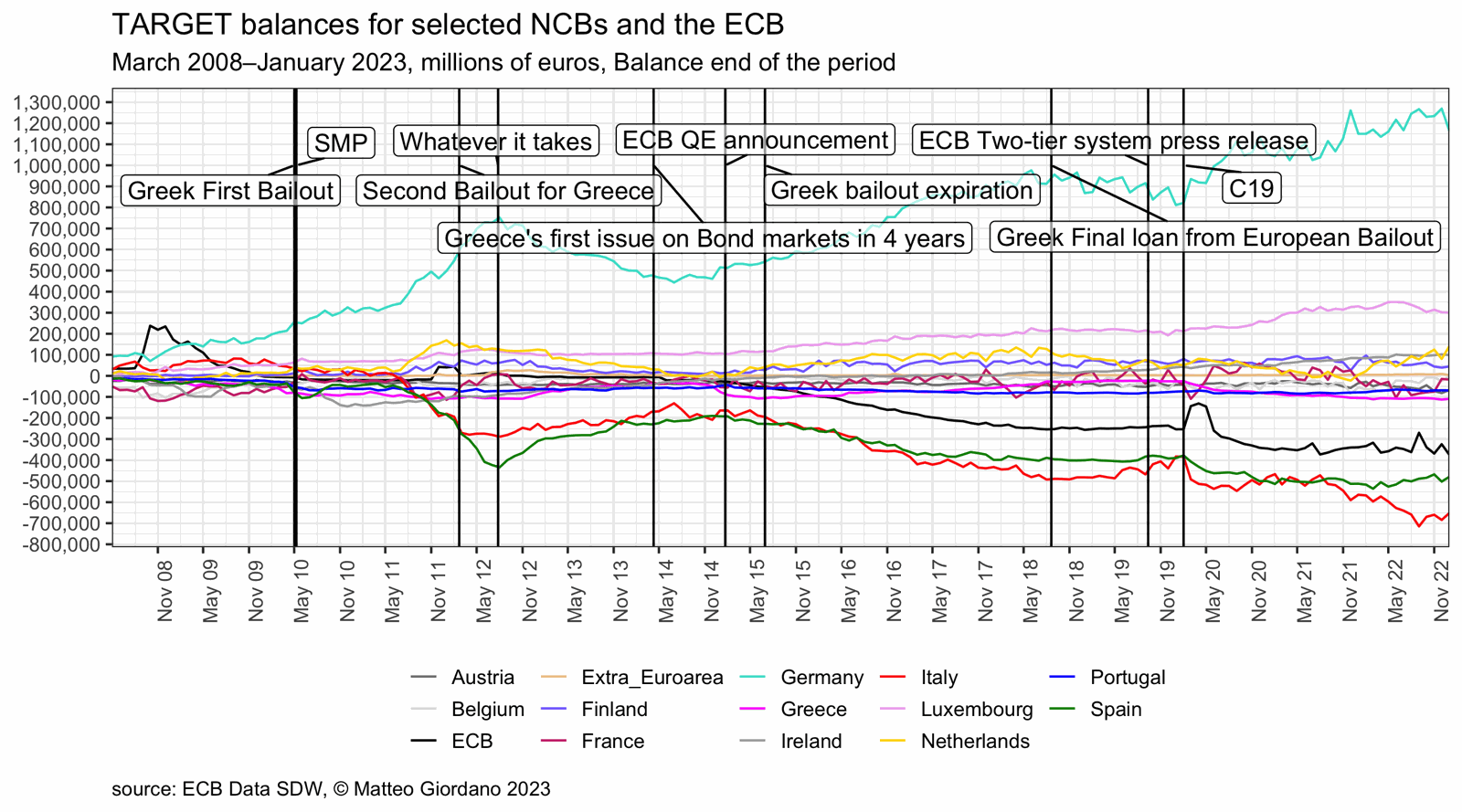
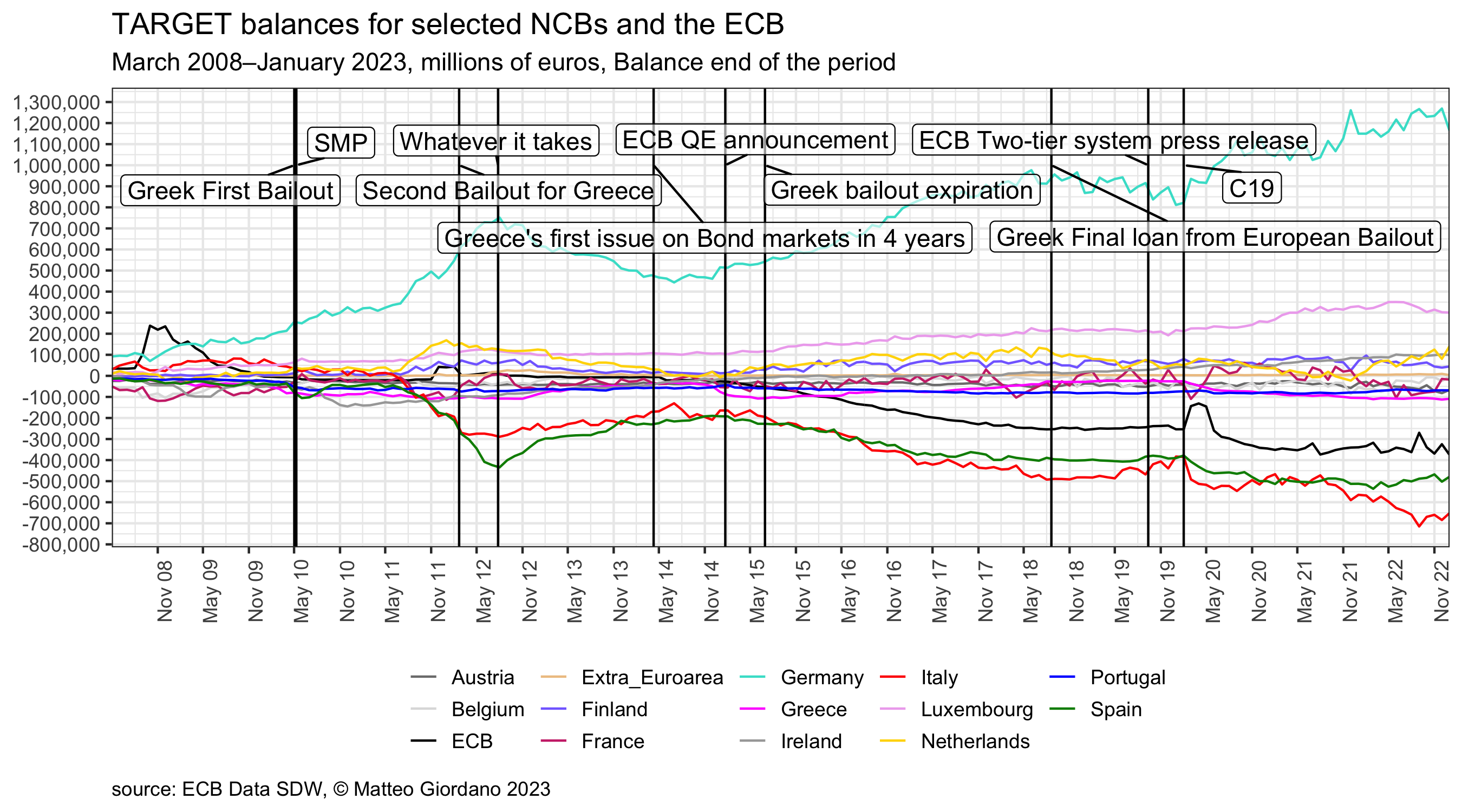
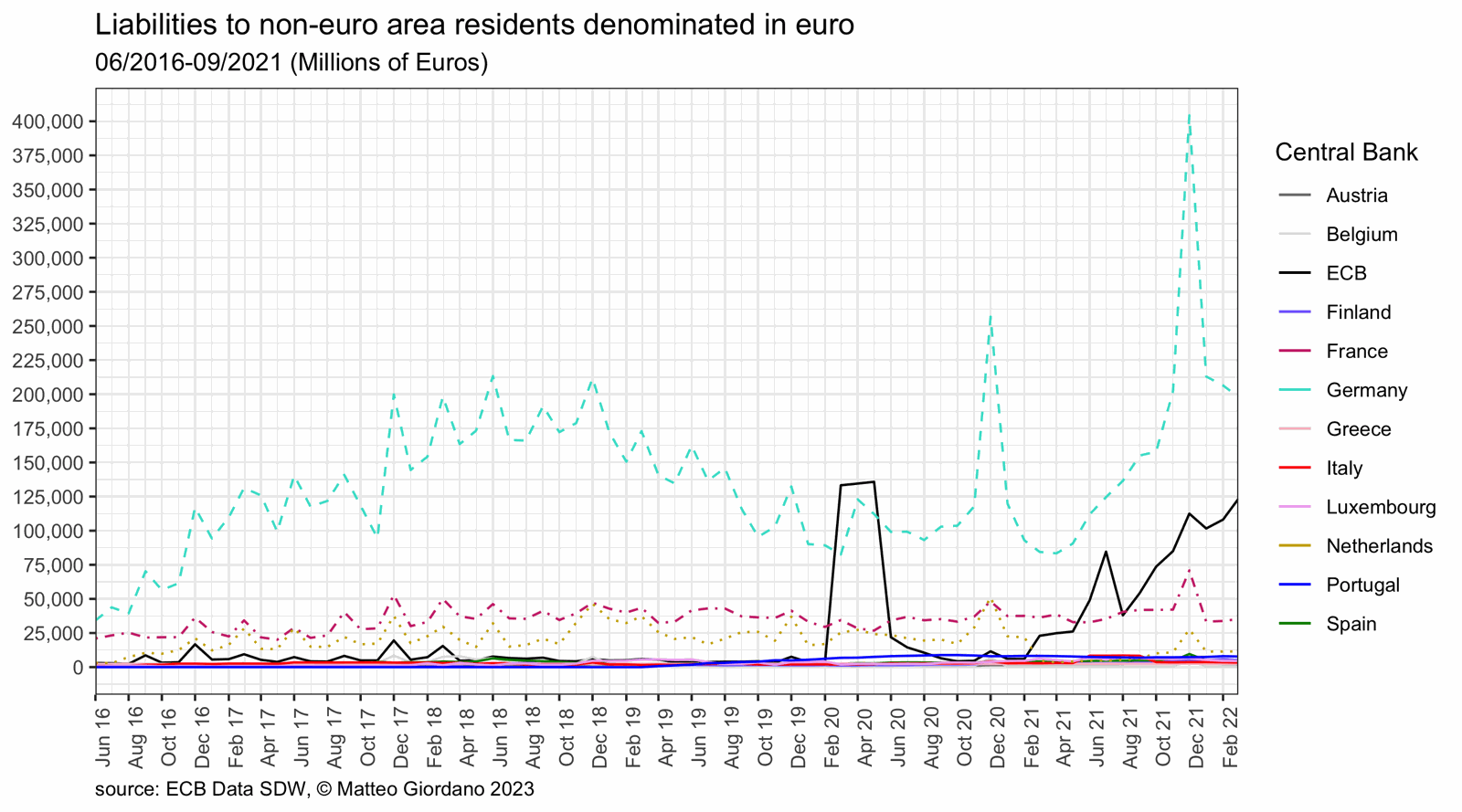
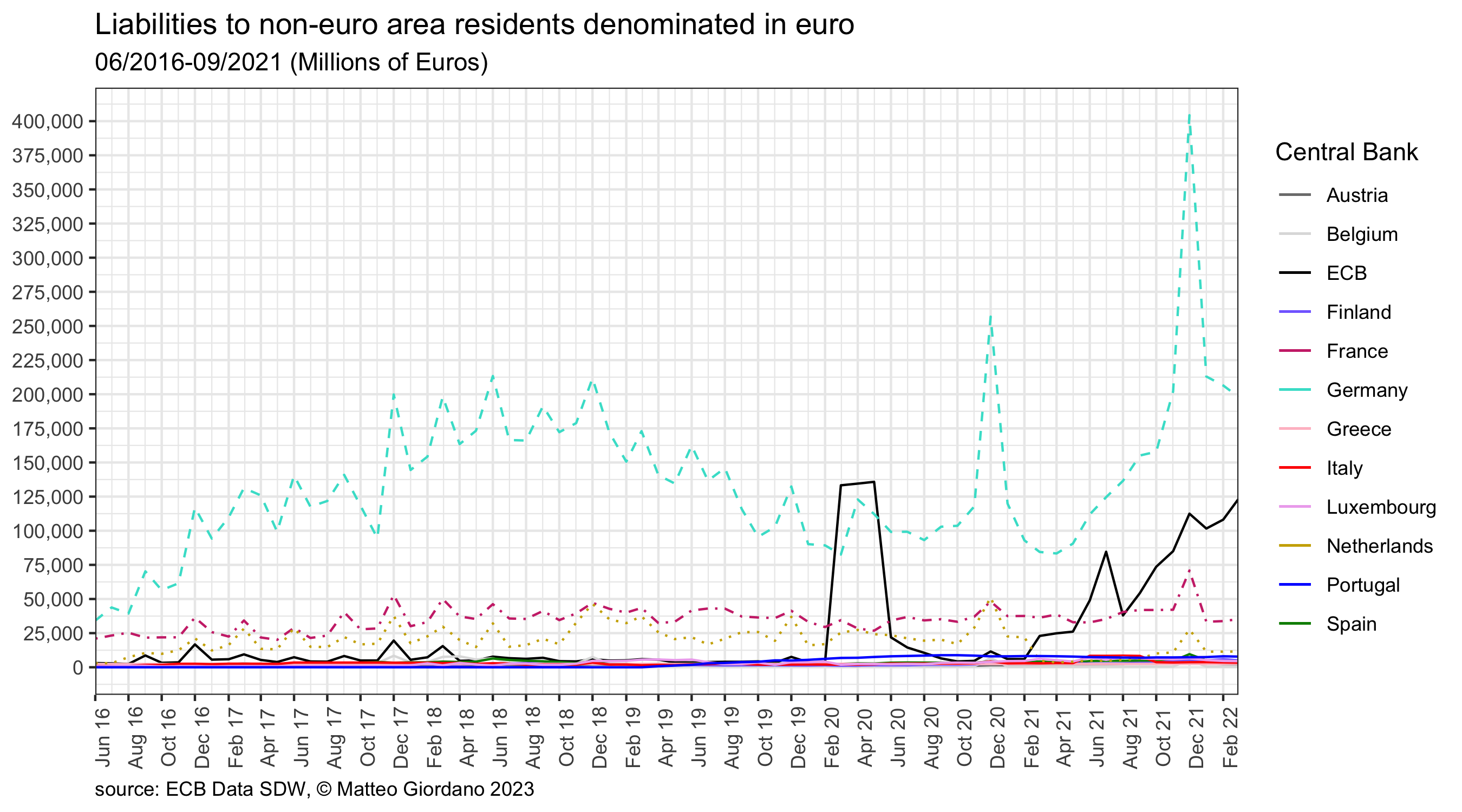
Monetary hierarchies in the EMU
Jurisdictions are tiered and legacy euros persist. TARGET is the backstop that holds the tiering together.
Fragmentation and selective integration
Money markets fragment even with liquidity in excess. The shortage that binds is collateral.
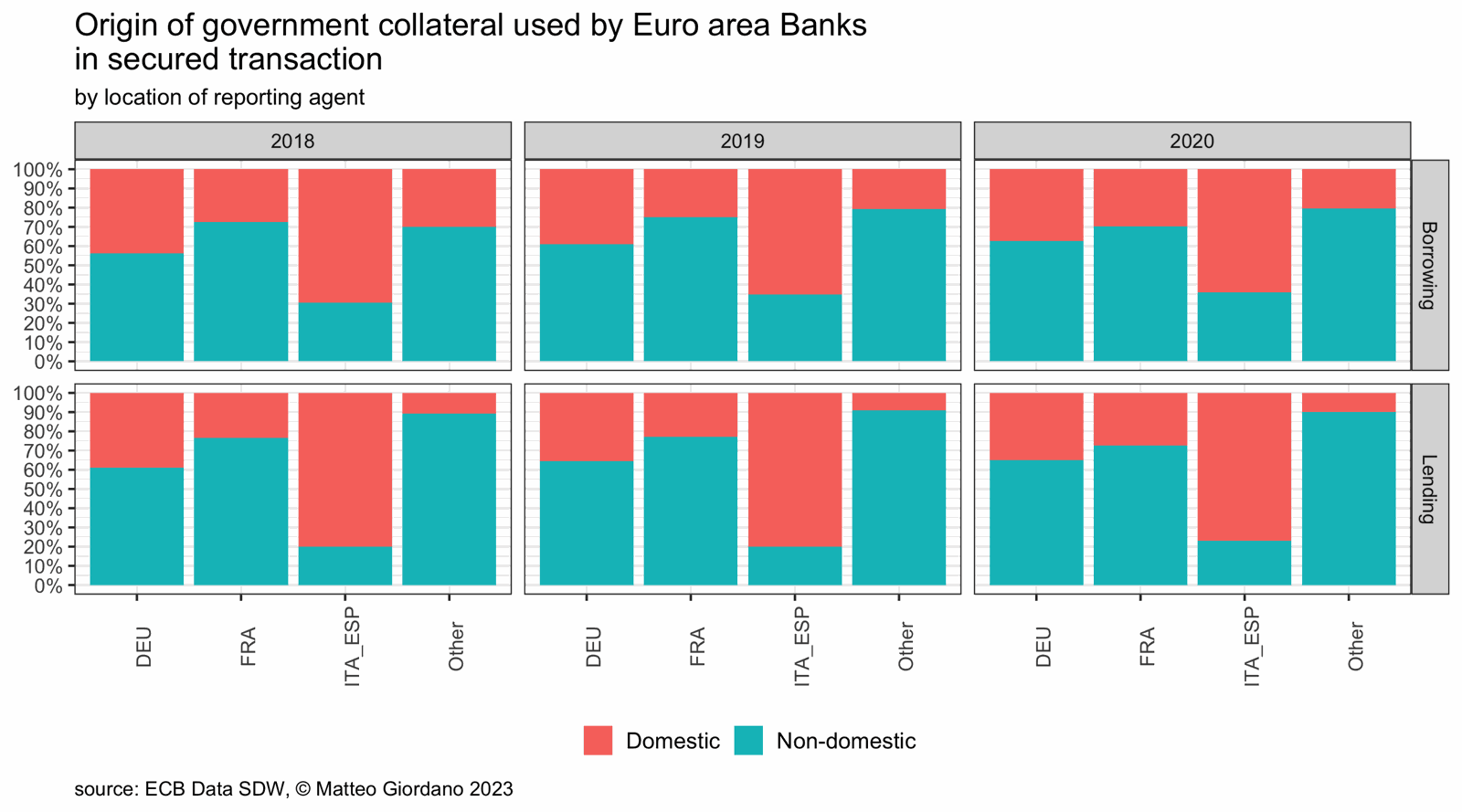
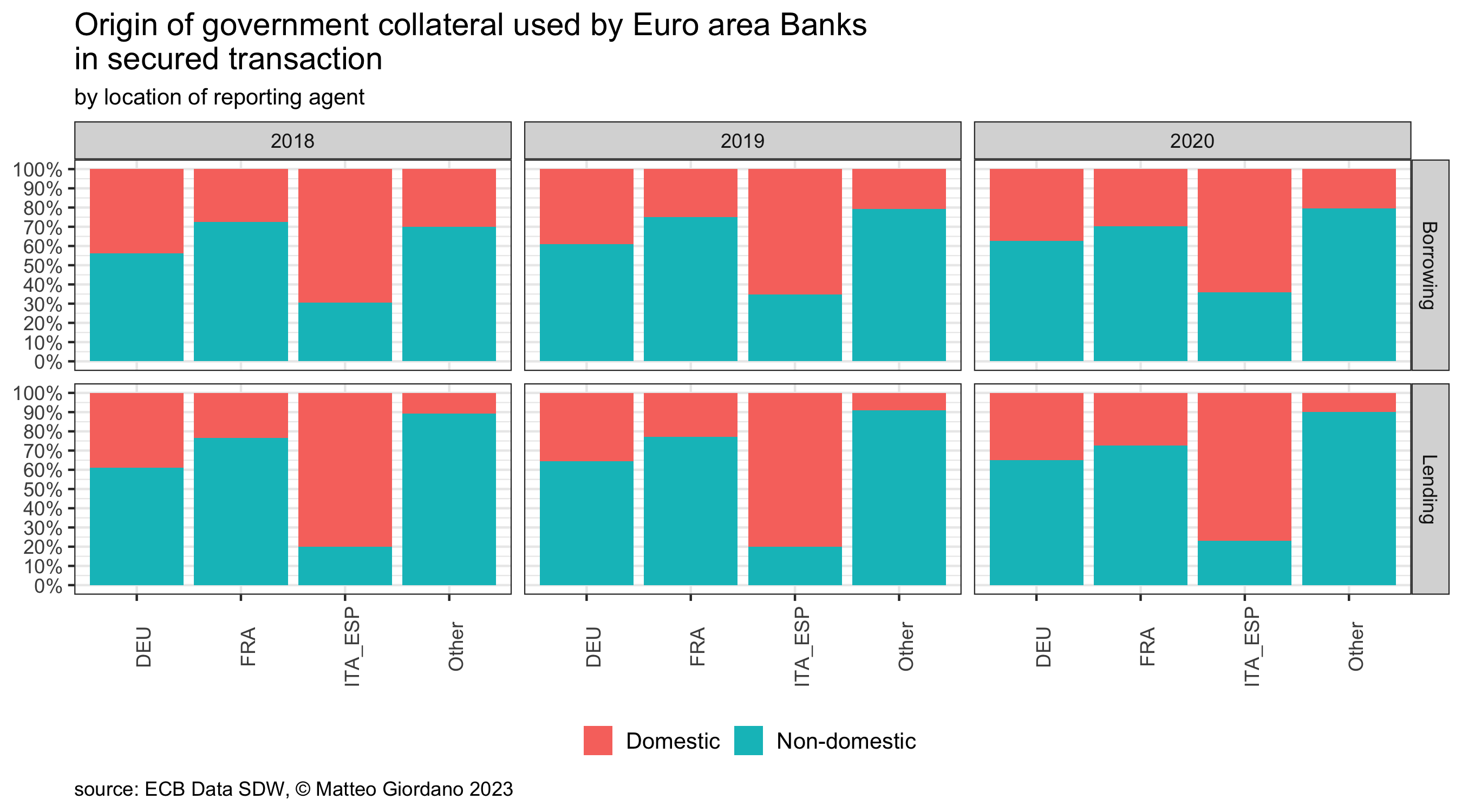
Capital and liquidity in hybrid refinancing
Where TARGET balances actually come from, and how the hybrid working of the mechanism produces them.
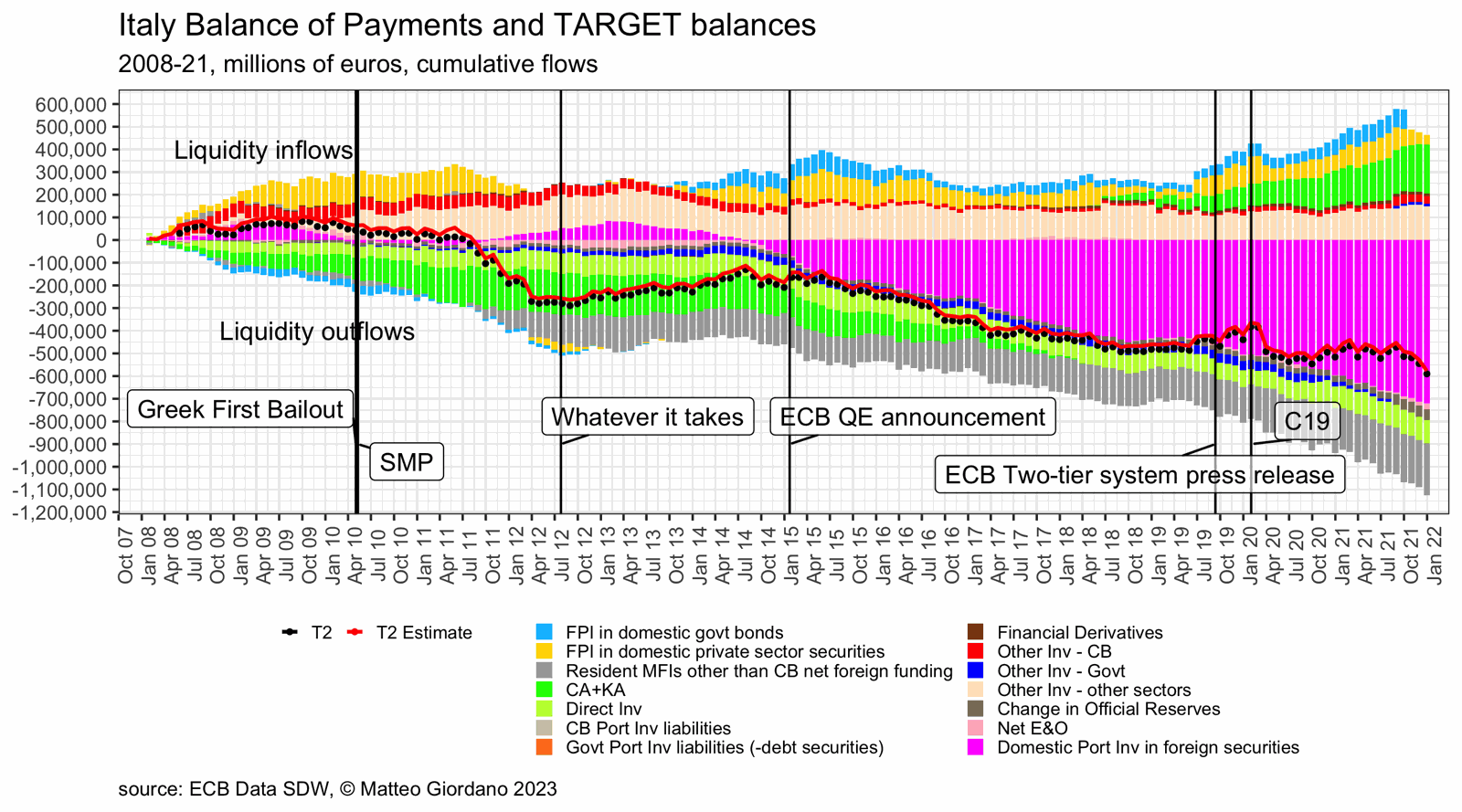
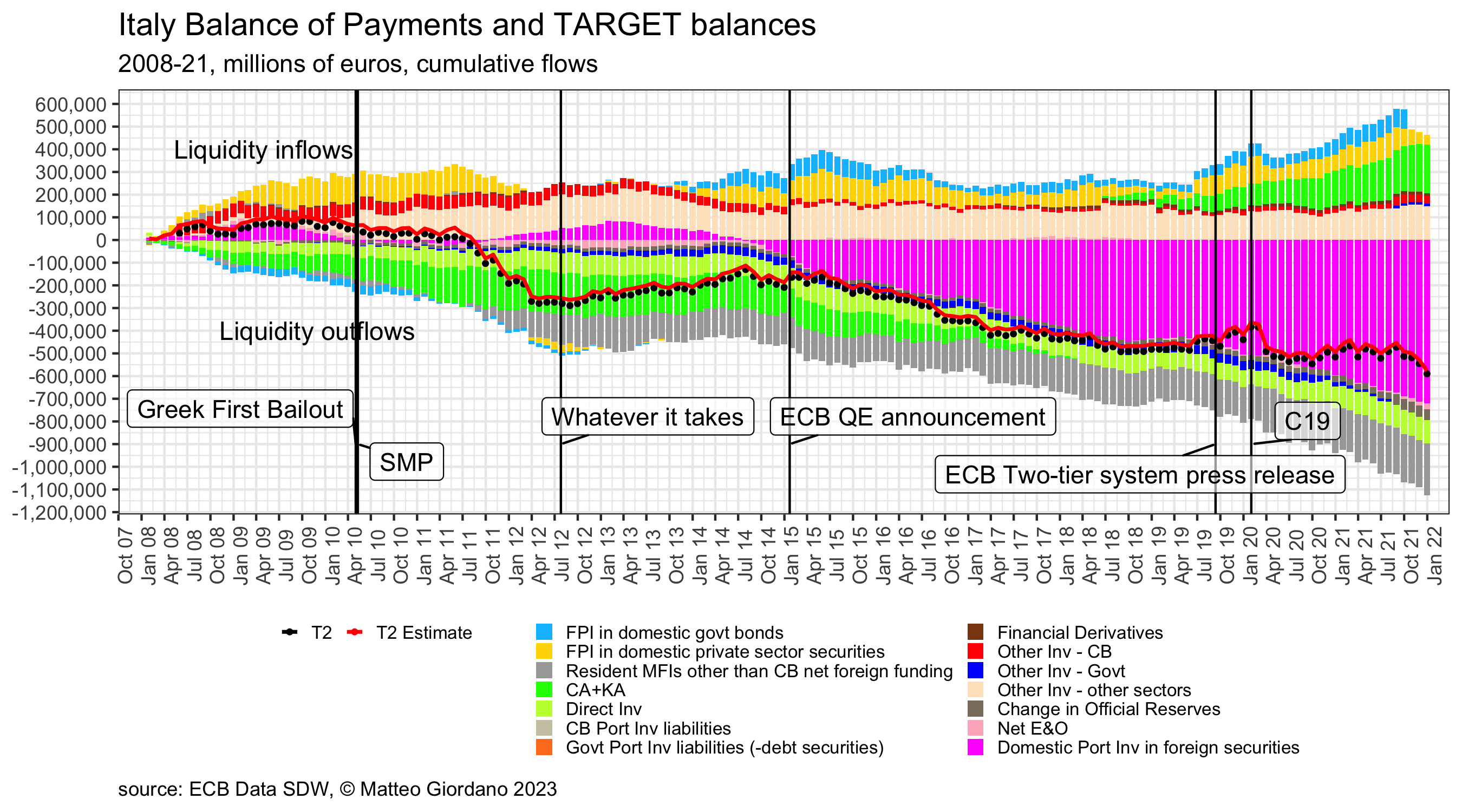
Related publications
- Giordano, M. (2025). Tiered Euro-Monies: Perpetrating Monetary Hierarchies from the ECU to the Euro. Review of Evolutionary Political Economy, 6: 565–587. DOI
- Murau, S., Goghie, A. and Giordano, M. (2025). Encumbered Security? Vertical and Horizontal Repos in the Euro Area and Their Inherent Ambiguity. Journal of Financial Regulation, 11(2). DOI
- Murau, S. and Giordano, M. (2024). Forging Monetary Unification through Novation: The TARGET System and the Politics of Central Banking in Europe. Socio-Economic Review, 22(3): 1283–1312. DOI