Research · Macro-financial strategy
Macro-structure, DMOs and monetary regimes
Central bank independence is half the story. Sovereign debt is managed by a separate institution with its own claim to independence, and the two postures interact. This project reads monetary policy and debt management as one architecture rather than two literatures, and situates both inside the systemic structure of financialised capitalism.
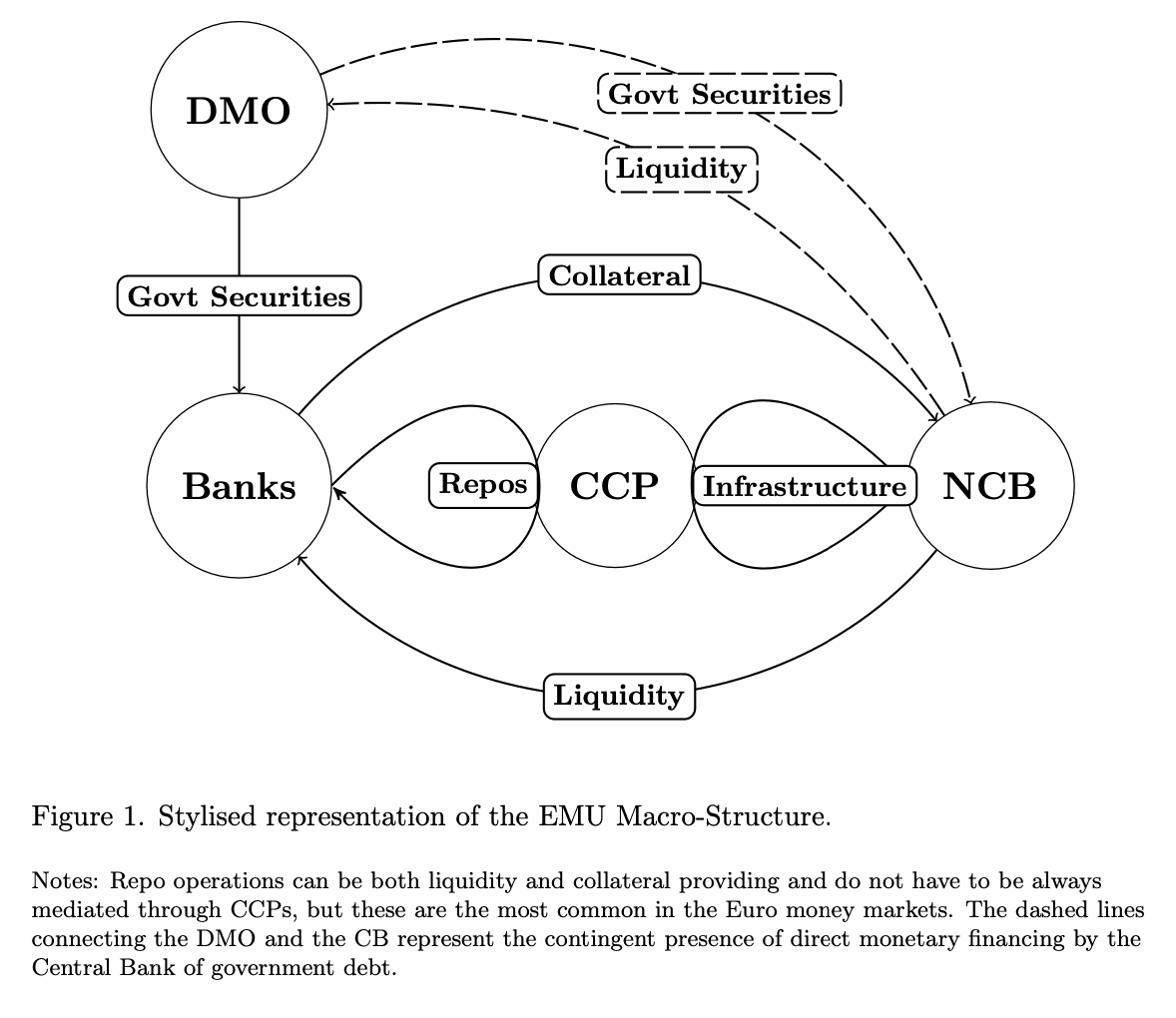
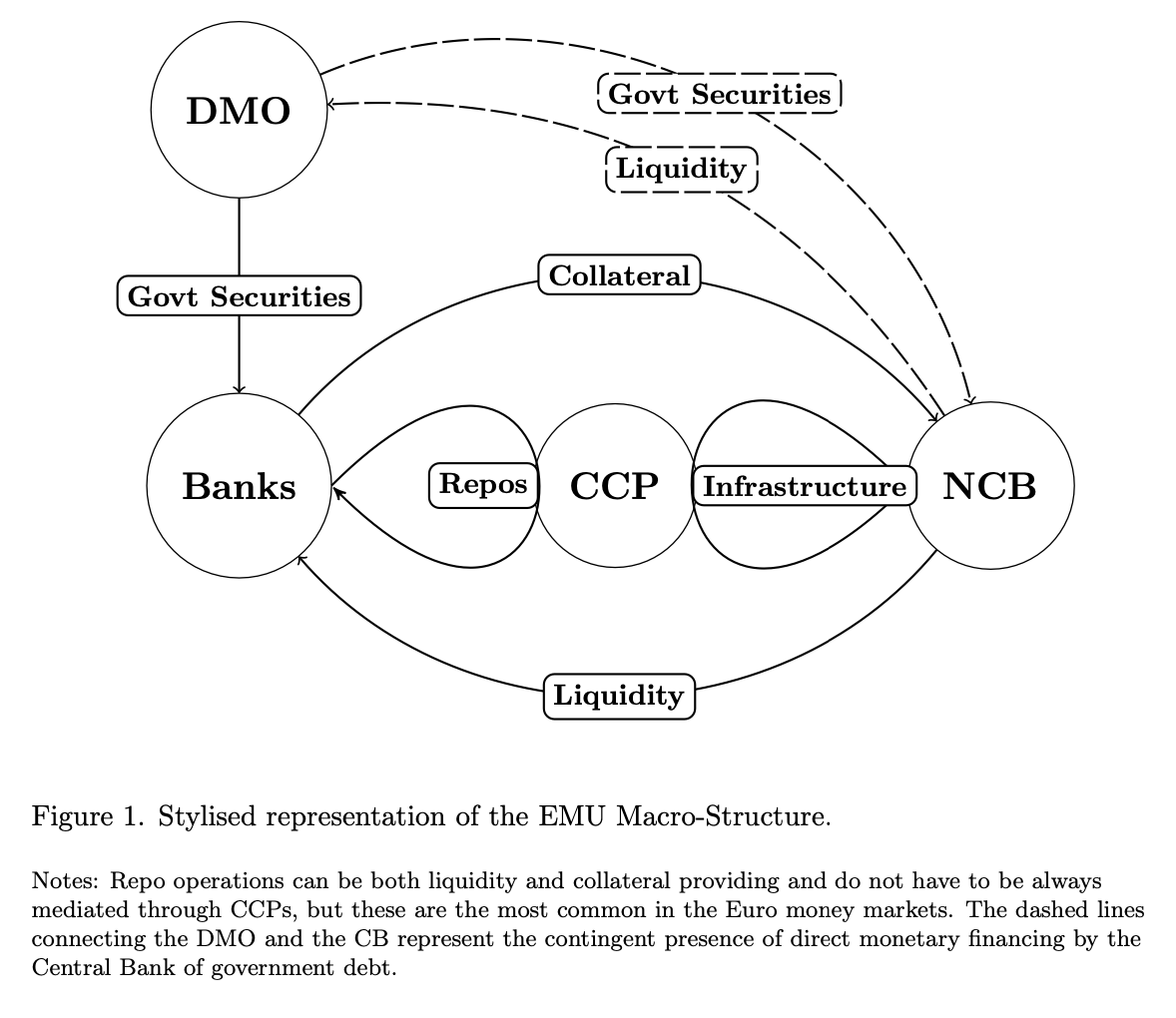
Macro-structure
A conceptualisation of the systemic relations, architectures and tendencies running through financialised capitalism.
Debt management operations
The political economy of debt management: whether DMO "independence" holds, and where debt management offices work with the central bank or against it.
Monetary regime
Central-bank posture is not readable from policy decisions alone. Placing those decisions inside the financial architecture and the instruments available is what makes the regime visible.
Related publications
- Giordano, M. and Pulieri, E. (forthcoming). Debt Management (in-)Dependence: The missing side of Central Banks and the Legacy of CBI.
- Giordano, M. and Goghie, A. (2023). From Policy to Regime: the changing posture of the ECB between liquidity and collateral through the lens of Monetary Regime. SocArXiv Working Paper. DOI
- Lapavitsas, C. and Giordano, M. (2026). ECB monetary policy in a quandary. European Law Open. DOI